Using humor in a presentation is a challenge for most presenters. We are not comedians! Few of us can snap out the one-liners the way born comedians do. One way to make humor easier is to use the context of the speech.
For example, a few days ago we were on a Caribbean cruise. Three of the days we were at sea and spent a lot of time on the ship engaged in all kinds of fun activities. The cruise entertainment director, J.C., was an especially good presenter. On the last day, as part of final instructions for disembarking, he talked about the great experiences on the cruise the past several days. Included were "questions" he had received during the week from some of the vacationers.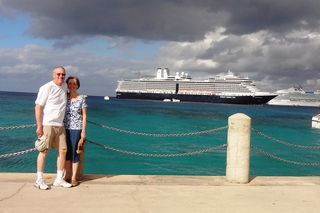
With each question, the audience of several hundred laughed loudly. Questions he had been asked included, "Have you seen my husband?" Another was, "Does this elevator go to the front of the ship?" The questions may seem not very funny on the surface, but one of the constant challenges for all 2000 guests was finding their way to different locations because the ship was so large. Getting lost was a possibility each time we left our cabins, so everyone could visualize getting lost.
Another question that brought howls of laughter was the question, "Does the crew sleep on board the ship?" Much of the week had been spent hundreds of miles from shore so the thought of getting back to shore each night was hilarious. Similar to that was "Does the ship produce its own electricity?"
Probably the guest dialogue that got the biggest laugh was with an elderly lady who made this complaint to J.C: "There is no safe in my room." He kindly said, "Let me go with you to your room and show you the safe." In the room, the safe was exactly where it was supposed to be. When he opened it, he found a cup of coffee and a Danish. Her response: "I wondered why the microwave did not work." Context was the key since all of us had safes in our rooms and could visualize the vague resemblance to a microwave.
Developing humor without context can be challenging indeed. However, using context that everyone relates to will help you connect with the funny bone of the audience.